No, 5,000 miles is not a hard rule. Most tire makers want a rotation every 5,000 to 8,000 miles, or sooner if your owner's manual says so. Bridgestone puts the general rule at 5,000 to 8,000 miles or every 6 months. The bigger reason to stay on time is the warranty. BFGoodrich says a missed rotation voids its treadwear coverage.
Plain Answer
- Bridgestone says every 5,000 to 8,000 miles or 6 months, per its rotation guide
- Consumer Reports says 5,000 to 7,500 miles, updated September 11, 2026
- BFGoodrich and Michelin warranties ask for 6,000 to 8,000 miles or the carmaker schedule, whichever comes first
- AWD, trucks and new tires sit at the short end, near 5,000 miles
- Consumer Reports puts a rotation at about $60, and many tire sellers do it free
- In Detroit, the fall and spring winter tire swap is the easy time to do it
5,000 to 8,000 miles. That is the window Bridgestone gives for a tire rotation, or every 6 months, whichever your car hits first. So 5,000 is the careful end of the range, not a law. We lined up what eight tire makers and two carmaker and consumer sources actually print, because the number that matters most is the one in your tire warranty.
Go Straight To
About 7 min read
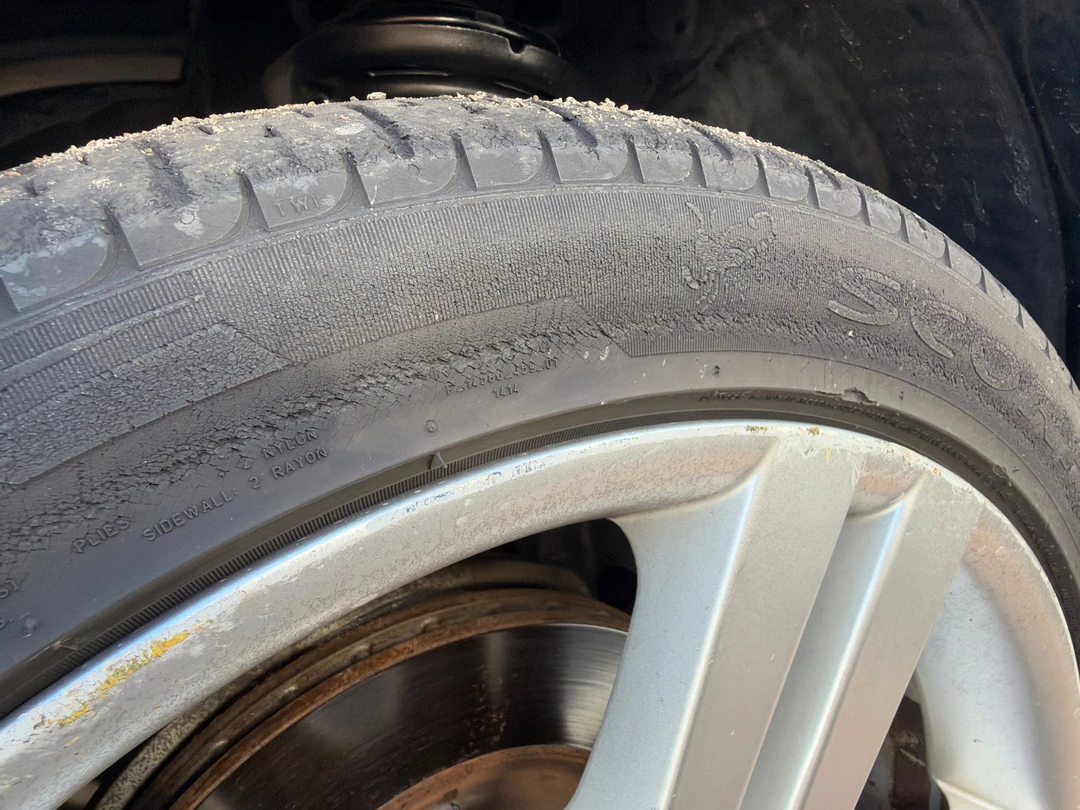
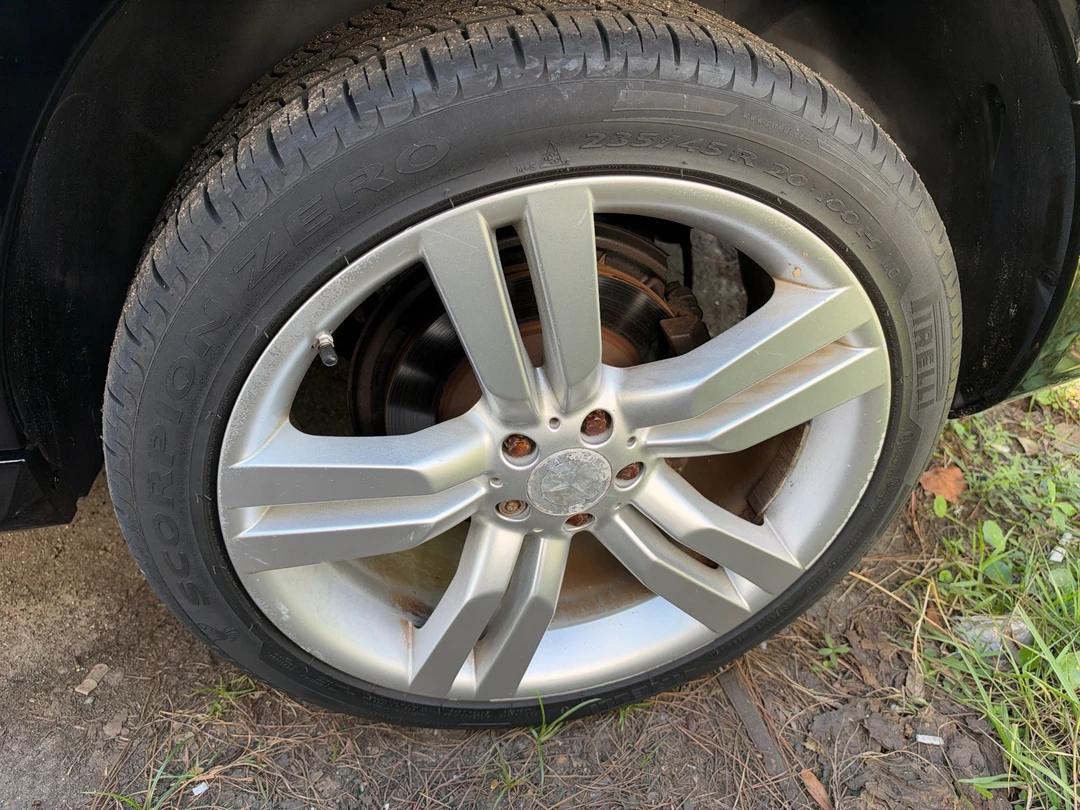
We also have a fresh car to show you. This month one of our crews outside Michigan inspected a 2012 Mercedes GLK 350 for a buyer. The job note says the front tires needed replacing as soon as possible. The rears were not on the list.
Every Rotation Interval Side by Side
Tire makers print their own numbers, and they do not agree. Most of these come from the tire warranties in Toyota's Tire Warranty Guide, which reprints each maker's terms in one booklet.
| Source | Rotate every | Fine print |
|---|---|---|
| Bridgestone guide | 5,000 to 8,000 miles | Or every 6 months |
| Bridgestone and Firestone warranty | 5,000 miles | When the carmaker gives no schedule |
| Consumer Reports | 5,000 to 7,500 miles | Owner's manual sets the pattern |
| Pirelli | 5,000 to 7,000 miles | When the carmaker gives no schedule |
| Maxxis | 5,000 to 7,500 miles | Strongly recommended |
| BFGoodrich | 6,000 to 8,000 miles | Or the carmaker schedule if shorter. Required for the tread warranty |
| Michelin | 6,000 to 8,000 miles | Or the carmaker schedule if shorter |
| Yokohama | 7,500 miles | Normal use, no carmaker schedule |
| Kenda | 8,000 miles | Front wheel drive and all season tires |
| Toyota | 5,000 miles | Service visits every 5,000 miles or 6 months on many models |
Look where they overlap. Every source lands between 5,000 and 8,000 miles. Not one tells you 10,000 is fine.
Even one maker can print two numbers. Michelin's own page calls 5,000 to 7,000 miles its standard advice, and the same page later says most carmakers want 6,000 to 8,000. When the numbers differ, use the shorter one. That is also what the warranties say to do.
The Warranty Is the Real Reason to Stay on Time
Most tread warranties come with a rotation rule. The BFGoodrich terms in the Toyota guide say the tires must be rotated every 6,000 to 8,000 miles, or on the carmaker schedule if that is shorter. Then comes the line that costs people money. Failure to rotate voids the treadwear warranty.
Proof matters as much as the rotation. For a treadwear claim, BFGoodrich asks for records showing each rotation, plus a signed Mounting and Rotation Service Record. Michelin says uneven wear from missed rotations is a maintenance issue, not a defect, so the warranty does not cover it. It tells you to keep the sales receipt and the service records together.
So keep every receipt that says rotation on it, with the date and the miles. A photo of the invoice on your phone counts as a start. Without it, a 60,000 mile tire that wears out at 35,000 is your bill, not the maker's.
Built from the Bridgestone, Consumer Reports and BFGoodrich figures above.
When 5,000 Miles Is Not Enough, and When It Is Too Much
Bridgestone gives a table by vehicle type. Sedans and coupes get 5,000 to 7,000 miles. SUVs and crossovers get 5,000 to 7,500. Electric cars get 5,000 to 6,000 because of their torque. Light trucks, AWD and 4WD get 5,000 miles or less, especially with towing or off road use. Performance cars get 3,000 to 5,000.
New tires are a special case. Bridgestone says to rotate a new set by 5,000 miles, because deep fresh tread wears unevenly faster.
Some setups cannot follow the usual pattern at all.
- Directional tires. Michelin says they stay on the same side and only move front to rear.
- Different sizes front and rear. They may not rotate at all. BFGoodrich cuts the mileage warranty on each rear tire in half for that reason.
- A full size spare. Bridgestone says to rotate it in with the other four, never a temporary spare.
On the other side, 3,000 miles is more often than nearly any car needs. It does no harm. It just means more visits.
A Rotation Schedule That Fits a Detroit Winter
A lot of Metro Detroit cars change tires twice a year anyway. If you run a set of winter tires, the swap in late fall and again in spring is the easy moment. Mark each tire with its position when it comes off, then put it back one spot over next season. At about 6,000 miles a season, that keeps you close to the 5,000 to 8,000 mile window without an extra trip.
Ask for three more things while the wheels are off.
- Set the pressure for the new position. BFGoodrich notes front and rear pressures can differ by the carmaker's spec. Cold also pulls pressure down, which is why the tire light comes on on cold mornings.
- Check the lug nuts and studs. Salt grows rust on them all winter, and a stud that will not let go is better found in the driveway than on the shoulder.
- Look at the wear before it moves. One edge going fast points to alignment, not rotation. A rotation only hides that wear on a new corner. Read what an alignment should cost before you pay for one.
What We See on Our Own Jobs and Reviews
Back to the GLK. Fronts done, rears not on the list. Michelin explains why that happens. Front tires wear faster because of steering, braking and cornering forces, so left in place they go first. Rotation spreads that wear across all four. We cannot tell you how that car was rotated before it reached us. We can tell you the buyer is now pricing two tires.
We also keep 22,923 customer reviews of repair shops on file. 119 of them talk about a tire rotation, and 23 percent of those 119 are one or two stars. Across all the reviews it is 11 percent. The angry ones repeat a few stories. A rotation added to the bill without asking. Long waits for a simple job. And 4 of the 27 bad ones are tire warranty fights, the kind you win with a stack of dated receipts.
Prices are easy to compare. In a set of 116 repair shop websites that post a rotation price, gathered for our own pricing work, the middle price is $30 and the middle half runs $24 to $49. Consumer Reports puts it at about $60, and some retailers do it free if you bought the tires there.
Our own rate is the posted $150 an hour, and the $150 call out is the first hour. A rotation alone is not worth a call out from any mobile mechanic, us included. Add it to a visit you already need, like an oil change in your driveway, and the tires get looked at while they are off. The full price list is posted.
Customer Mailbag
Is 3,000 miles too soon to rotate tires?
For most cars it is more often than you need. Bridgestone lists 3,000 to 5,000 miles only for performance cars, and the tire warranties in the Toyota guide start at 5,000 or 6,000. Rotating early does not hurt the tires. It only costs you more visits.
Is it okay to rotate tires every 10,000 miles?
Not if you want the tread warranty. BFGoodrich asks for 6,000 to 8,000 miles, Kenda says 8,000 and Yokohama says 7,500. At 10,000 miles you are past every one of them, and the front tires on a front wheel drive car will show it.
Is it okay to rotate tires every 7500 miles?
For most cars, yes. It sits inside the 5,000 to 8,000 mile rule Bridgestone gives and matches what Yokohama recommends. Check two things first. Your owner's manual may ask for less, and an AWD car or a set of new tires belongs closer to 5,000.
Should you rotate tires at every oil change?
If your oil change comes every 5,000 to 7,500 miles, that pairing works well, and Bridgestone suggests it. If your car goes 10,000 miles between oil changes, rotate in between. Michelin calls every other oil change its standard advice on cars with shorter oil intervals.
Do AWD tires need to be rotated?
Yes, and more often. Bridgestone puts AWD and 4WD vehicles at 5,000 miles or less. Michelin says AWD vehicles usually need more frequent rotation, and Bridgestone says even wear lowers stress on the drivetrain.
How much should a tire rotation cost?
Consumer Reports says about $60. Some retailers rotate free if you bought the tires from them, and 82 percent of CR members who bought tires got at least one free perk, rotation being one of the most common.
Data Behind This
Bridgestone, How Often to Rotate Tires. https://tires.bridgestone.com/en-us/learn/automotive/tire-maintenance/tire-rotation
Consumer Reports, How Often Should You Rotate Your Tires, updated September 11, 2026. https://www.consumerreports.org/cars/tires/how-often-should-you-rotate-your-tires-a6498961903/
Michelin, Tire Rotation, updated November 12, 2026. https://www.michelinman.com/auto/auto-tips-and-advice/tire-maintenance/tire-rotation
Toyota, Tire Warranty Guide, with BFGoodrich, Bridgestone, Firestone, Kenda, Maxxis, Michelin, Pirelli and Yokohama terms. https://assets.sia.toyota.com/publications/en/omms-s/TL-MMS-20Tire/pdf/TL-MMS-20Tire.pdf
Toyota, Maintenance Schedule. https://www.toyota.com/owners/maintenance-schedule
Tell us what the car is doing
Text a photo and your location. You get a real answer from a real person, whatever the hour, and a written quote before anybody touches anything.